We don’t just install security. We manage it as critical infrastructure.
That position didn’t come from a marketing exercise. It came from being on the other side of the desk, managing an estate where maintenance happened but governance didn’t.
The problem we saw from the inside
Before joining BC Security, Brian Louden was Security Manager at Auckland Council. He was responsible for more than 1,500 access-controlled doors across hundreds of buildings and facilities, supporting close to 10,000 staff.
Maintenance occurred. It just wasn’t governed.
What was consistently missing wasn’t attendance — vans arrived, technicians attended, faults got fixed. What was missing was structure: asset-level data, lifecycle tracking, compliance scoring, software upgrade planning, and clear risk reporting to management. Insight into emerging risk was limited. Reporting was fragmented. Compliance relied heavily on what an individual contractor happened to know rather than on documented oversight.
Response time was met. Risk stayed unseen.
That experience shaped how this company works. We built a technology-led service model deliberately, around the pain points infrastructure owners actually experience — because effective service isn’t just about fixing faults. It’s about visibility, structure and control.
Why the model had to change
For years, security servicing worked one way. A van is dispatched. A technician attends. Parts are ordered. A return visit is scheduled. Response time is met, but resolution is delayed.
That was normal, and for a long time it was adequate.
Infrastructure changed. Security is now software-driven, compliance-bound and operationally critical. A door controller is a networked device running software that falls out of vendor support. An access system is a compliance obligation with a paper trail someone will eventually audit.
The question is no longer whether someone attends site. It’s whether your infrastructure is proactively managed.
— Breyton Chong, Managing Director
The people
Breyton Chong
Managing Director
Breyton leads BC Security’s technical direction and remains directly involved in the work. On the Auckland Transport programme he worked with the Auckland Transport Operations Centre team to design the operational processes that sit around the technology — hierarchical operator control, alarm management, user and site management, and notification structures — and designed the interface from which all sites could be managed from a single screen.
Brian Louden
Business Development
Brian spent his career on the client side before joining BC Security, most recently as Security Manager at Auckland Council. He brings the perspective of someone who has held the budget, carried the compliance obligation and been accountable when a system failed — which shapes how we scope work and what we tell clients they don’t need.
How we work
Who we work with
We work with organisations running security across multiple sites, where downtime has operational consequences and compliance is a documented obligation rather than an aspiration.
Auckland Transport
Auckland Transport’s sole appointed Gallagher Channel Partner across 72 operational sites, spanning rail, bus, ferry, car parks and corporate offices.
View case study →Auckland Council
Access control programmes across Council buildings, including the full GBUS to HBUS migration at 135 Albert Street.
View case study →Waste Management
Multi-site CCTV, access control and early-warning fire and heat detection across a nationwide operational network.
View case study →Auckland One Rail
Access control, perimeter electric fencing and thermal perimeter detection across the rail network.
View case study →Who we’re not for
We’re not a residential alarm company, and we don’t provide guarding or manned security. If you need a single alarm installed in one building, there are providers better suited to it than us — and cheaper.
Credentials
Platform certifications and independent accreditation that sit behind the work.





Sustainability and people
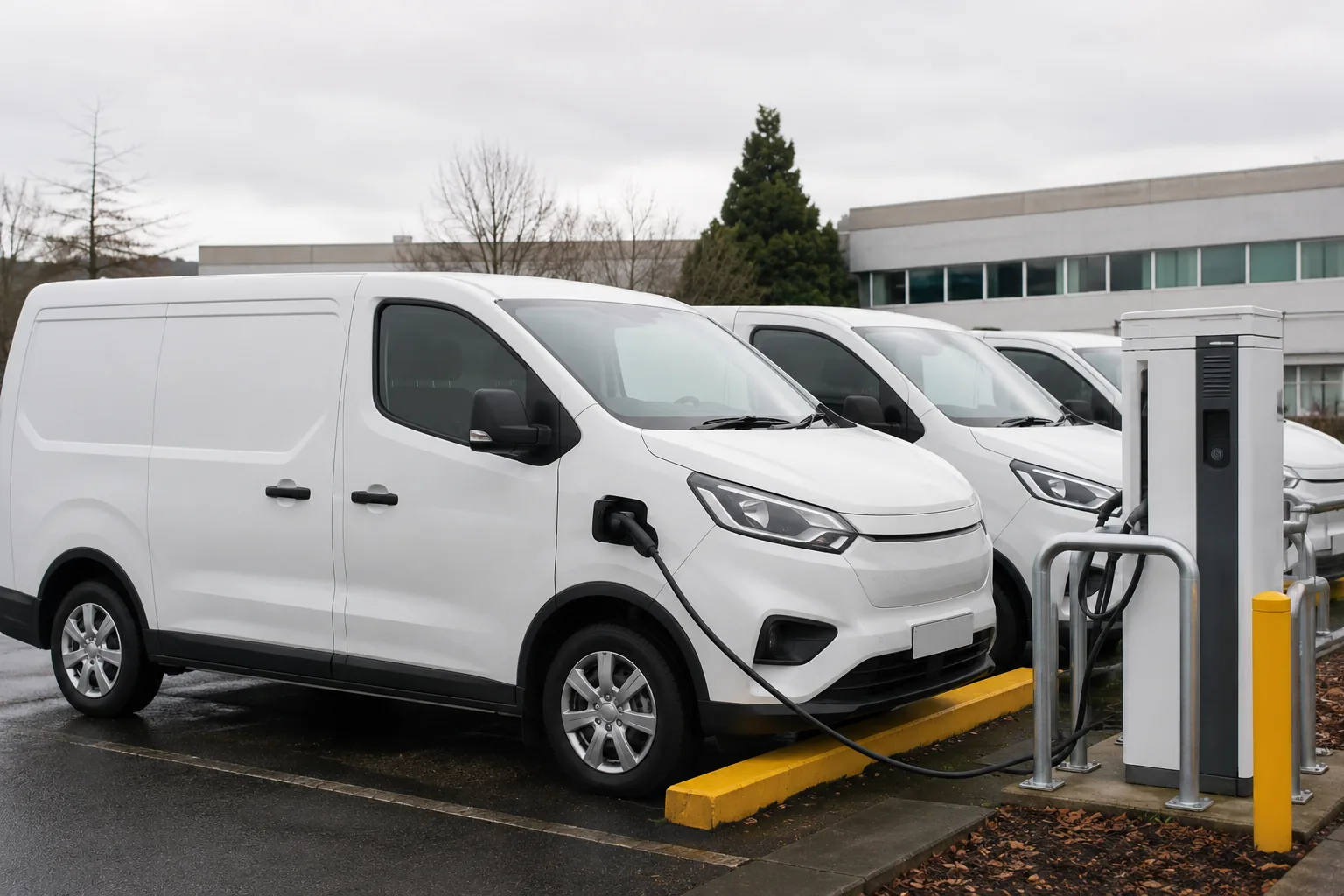
We operate a full EV and hybrid service fleet. For a business whose model is built on reducing unnecessary site attendance, running a low-emission fleet is consistent with how we already work rather than an offset bolted on afterwards.
We maintain an active partnership with Unitec supporting local employment pathways into the security technology trade — a sector with a genuine skills shortage and not enough structured routes into it.
Where we are
Servicing Auckland and selected national customers.
Talk to us about your infrastructure.
Book an initial security review. We’ll assess what you have, where the risks sit, and what a managed approach would look like across your sites.