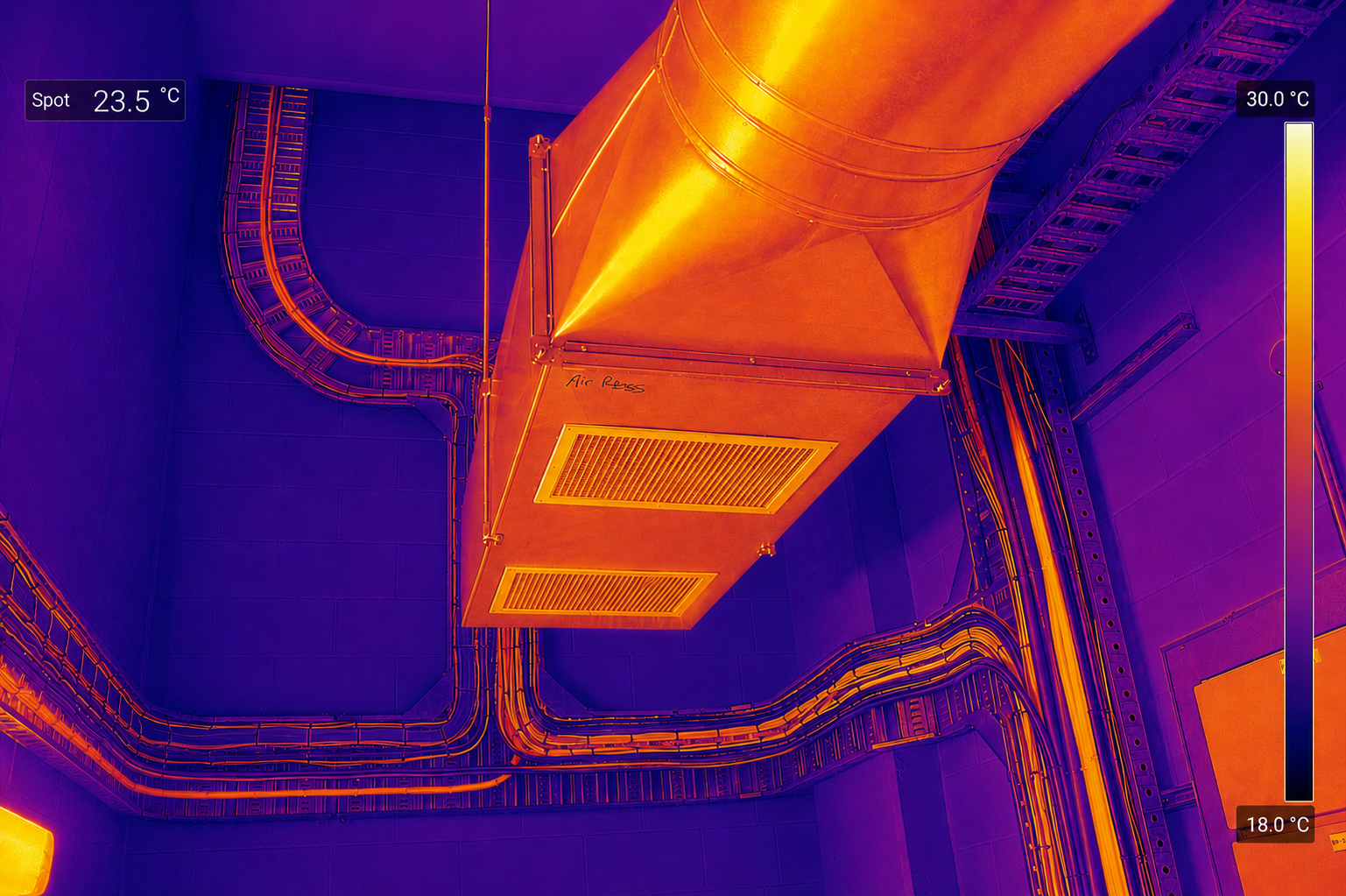
Where conventional detection struggles.
Conventional fire detection is designed to tell you a fire has started. Thermal early warning detection is designed to tell you one is about to. The gap shows up most in open and semi-open environments — transfer stations, sorting floors, yards and covered but unenclosed spaces where smoke disperses before it reaches a detector; in dusty, high-particulate spaces where smoke detection generates so many false activations it gets isolated; in stockpiles and bulk material, where combustion begins deep inside a pile and only reaches the surface once it’s well established; in plant, electrical and mechanical spaces, where the failure mode is a component overheating and the useful warning is a rising temperature; and across large unmanned areas, where no one is present overnight to notice heat, smell or sound. In an enclosed building, the gap between heat building and a fire starting is a few minutes. In a waste facility, a stockpile or a bulk storage area, it can be the difference between an intervention and a total loss.
The detection gap.
A conceptual chart, not data — there are no fabricated figures here.
This is not a replacement for your fire alarm system. Early warning thermal detection sits alongside your building’s compliant fire detection and suppression systems. It does not replace them, and it does not discharge any obligation under the Building Act or your building warrant of fitness.
Design and installation are the beginning, not the deliverable.
Structured servicing that finds faults before they become failures, extending the working life of every component.
Around 80% of service issues are resolved remotely, before a technician is dispatched. When attendance is required, it’s informed and prepared.
Controlled upgrades that keep your systems supported by the vendor and protected against emerging cyber risk.
IQP inspections, structured digital records and Form 12A certification for specified systems, documented and traceable.
Asset health tracking, obsolescence forecasting and replacement priorities — all visible in AssetGuard One.
Every asset, every site, one system of record.
Explore AssetGuard OneWhere it’s deployed.
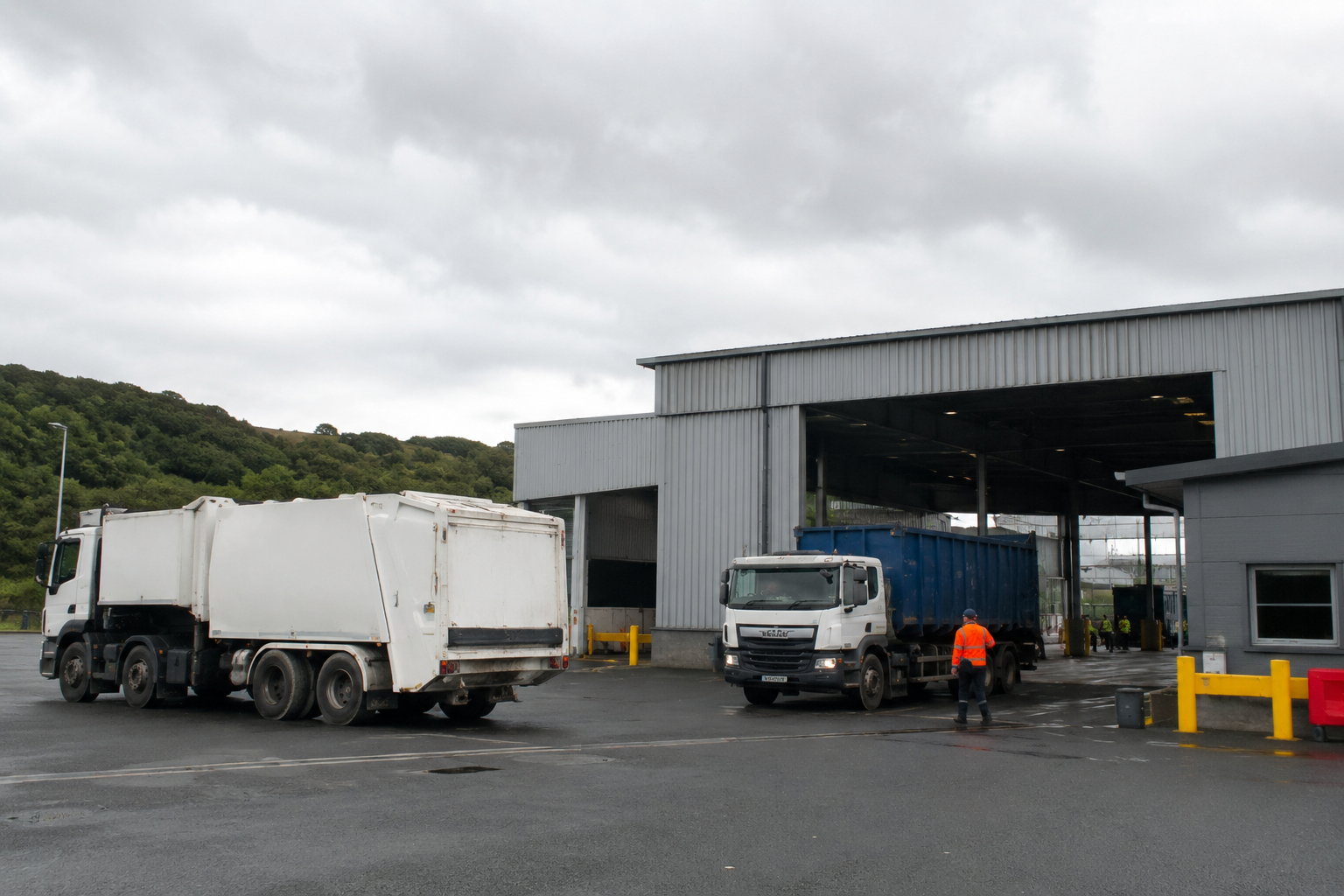
Waste & Logistics
Waste Management
Early-warning fire and heat detection with video-verified monitoring, integrated into a nationwide multi-site CCTV and access control environment. Waste and recycling operations carry one of the highest fire risks of any industry, driven substantially by lithium-ion batteries entering the waste stream.
Talk to us about your highest-risk areas.
Book an initial security review. We will identify where conventional detection leaves gaps on your sites and what early warning coverage would involve.