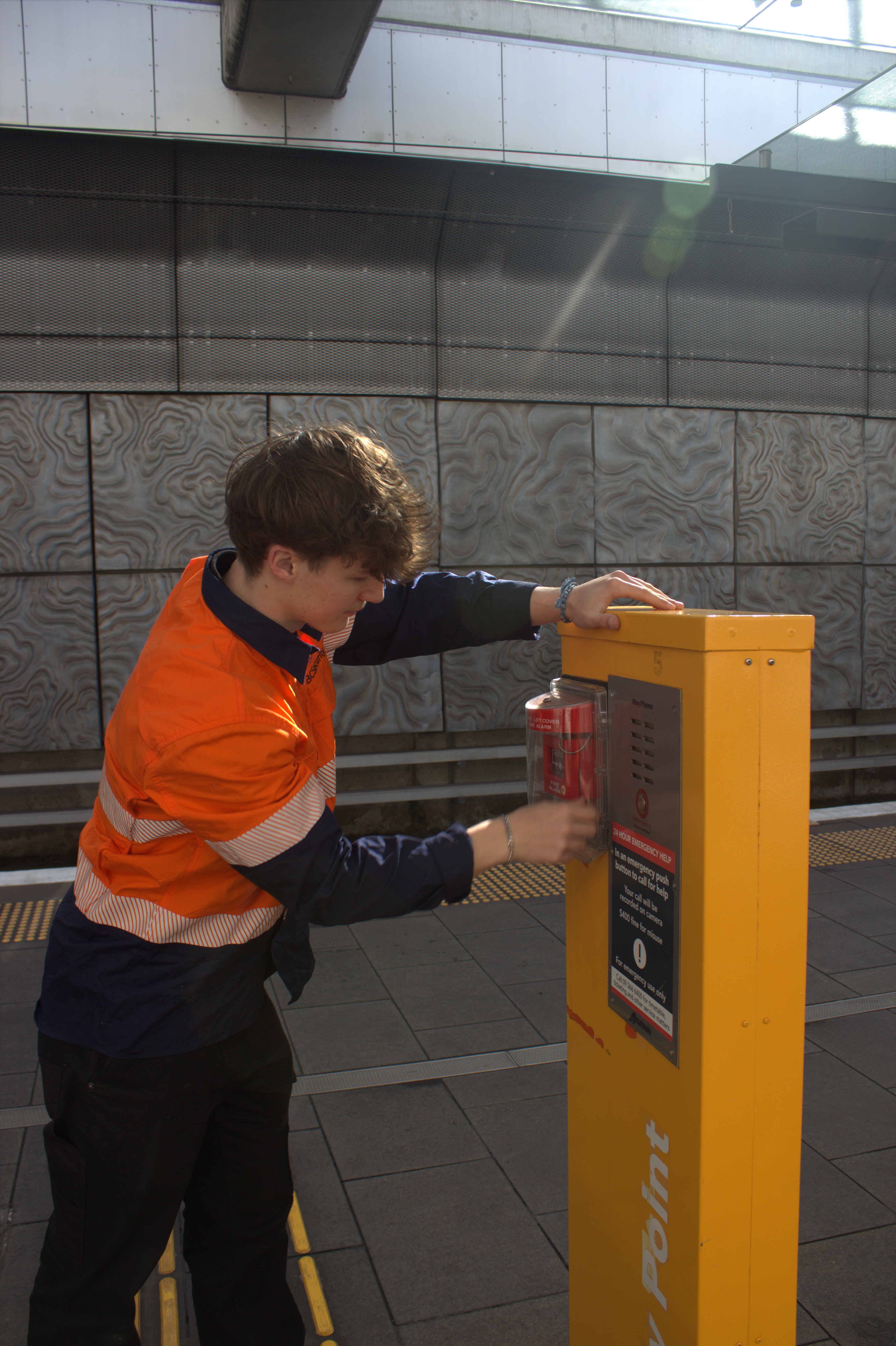
Where intercoms earn their place.
The contractor who arrived a day early. The delivery driver at a gate at 6am. The visitor whose booking was never entered. Handled well, that conversation is the difference between controlled access and someone waved through because it was easier than checking.
That’s where intercoms earn their place: unmanned gates, yards, depots and after-hours doors with no reception desk and no one on site to make the call; remote and distributed sites where the person authorising entry is in a different building, or a different city, from the person requesting it; and controlled delivery and contractor access, where you need a record of who was admitted, by whom and when.
They matter just as much when something else fails — when a card doesn’t work, the intercom is what stops that person following someone else through the door instead. Which raises the real question. When someone presses that button, who actually answers?
Who actually answers.
Most intercom failures are a routing rule nobody updated, not a device that broke. The call itself branches — who picks up depends on the time of day, whether reception answers in time, and what happens next if no one does.
We took this approach at Auckland Transport, designing the operator hierarchy, alarm management and notification structures alongside the operations team who would live with them — including a single interface from which all sites could be managed.
Design and installation are the beginning, not the deliverable.
Structured servicing that finds faults before they become failures, extending the working life of every component.
Around 80% of service issues are resolved remotely, before a technician is dispatched. When attendance is required, it’s informed and prepared.
Controlled upgrades that keep your systems supported by the vendor and protected against emerging cyber risk.
IQP inspections, structured digital records and Form 12A certification for specified systems, documented and traceable.
Asset health tracking, obsolescence forecasting and replacement priorities — all visible in AssetGuard One.
Every asset, every site, one system of record.
Explore AssetGuard OneWhere it’s deployed.

Transport
Auckland Transport
We designed the operator hierarchy, alarm management and notification structures for a single interface from which every site’s intercoms and entry points could be managed.
Let’s look at your entry points.
Book an initial security review. We will map your controlled entries, check what is working, and show you what integration would change.